



COP 2.0 – An Industrial Opportunity for Poland. A Conversation with Włodzimierz Fleischer, President of the Lubuskie Metal Cluster
One of the key events at the SUBCONTRACTING trade fair was a panel discussion dedicated to the idea of the Central Industrial District 2.0 (COP 2.0) — an ambitious project aimed at rebuilding and advancing Polish industry for the 21st century. We spoke with Włodzimierz Fleischer, President of the Lubuskie Metal Cluster and an active promoter of the initiative, about its objectives, potential, and significance for the national economy.
Could you briefly explain the idea behind the Central Industrial District 2.0 to representatives of Polish industry who may not yet be familiar with the project?
Włodzimierz Fleischer: The idea of COP 2.0 has its roots in the interwar period, when the historic Central Industrial District was created. Today — in a completely different economic and geopolitical context — the concept is being revisited and adapted to modern needs. The initiative emerged as part of the commemoration of the 50th anniversary of the passing of Eugeniusz Kwiatkowski, the main architect of the original Central Industrial District.
This time, however, we are not referring to a single region, as was the case before the war, but to a nationwide initiative. The goal is to create the largest industrial district in Central Europe, covering all of Poland, with particular emphasis on the western regions: West Pomerania, Lubusz, Lower Silesia, and Greater Poland.
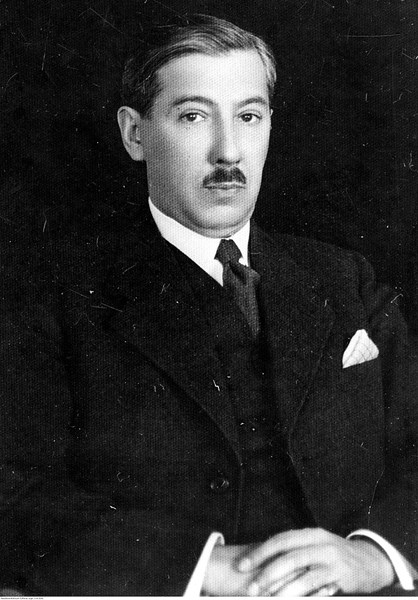
Eugeniusz Kwiatkowski - Deputy Prime Minister, Minister of Industry and Trade and Minister of Treasury in the Second Polish Republic, initiator of the first Central Industrial District.
Who is behind this initiative?
Włodzimierz Fleischer: The project is coordinated by the Polish Industrial Lobby — an informal organization bringing together experts associated with industry, particularly the defense sector. A key figure in this endeavor is Professor Paweł Soroka, who leads both the Lobby and the work on COP 2.0. The organization prepares analyses, position papers, and strategic recommendations.
What benefits could the creation of COP 2.0 bring to businesses and other stakeholders?
Włodzimierz Fleischer: The benefits are multifaceted. As with industrial clusters, the goal is to strengthen cooperation between science, industry, and the defense sector. Collaboration between these communities will make it possible to develop modern Polish technologies — primarily to meet domestic needs, but also with export opportunities in mind.
Particularly important are dual-use products — technologies that can serve both civilian and military purposes. A good example is drones, which were initially developed for civilian applications and today play a crucial role in military operations, as seen in Ukraine.
What stage is the COP 2.0 project currently at?
Włodzimierz Fleischer: We are still at an early stage — the organizational phase. The initiative has been officially presented at various industrial events, including trade fairs, where it received very positive feedback. A Program Council has also been established, bringing together representatives of diverse sectors: retired generals, defense industry managers, entrepreneurs, scientists — a broad group of committed experts.
We are currently working on securing funding sources and building the organizational structure. We have already drafted an operational strategy and proposed financing methods. Naturally, this is a long-term project whose implementation will take time, but we clearly see its enormous potential.
You mentioned the positive reception during the trade fair panel. What was the discussion like?
Włodzimierz Fleischer: The panel drew considerable interest. Representatives from various backgrounds — both industrial and academic — took part, and a lively discussion quickly developed. The debate extended beyond strictly industrial topics and included issues such as housing development, logistics, transport, and vocational education and training. These elements are essential for building a modern industrial base and illustrate how complex — yet necessary — the COP 2.0 undertaking is.
Where can interested parties find more information?
Włodzimierz Fleischer: I encourage everyone to visit the project website: www.cop2.pl. It contains all key information: the strategy, proposed financing models, updates, and future plans. We invite all organizations and individuals interested in contributing to get involved — the initiative is built on broad cooperation across different sectors and communities. It is a civic-driven project that we hope will translate into real, lasting change in Polish industry.